Books List
Showing of 5 results Of
-
-
200
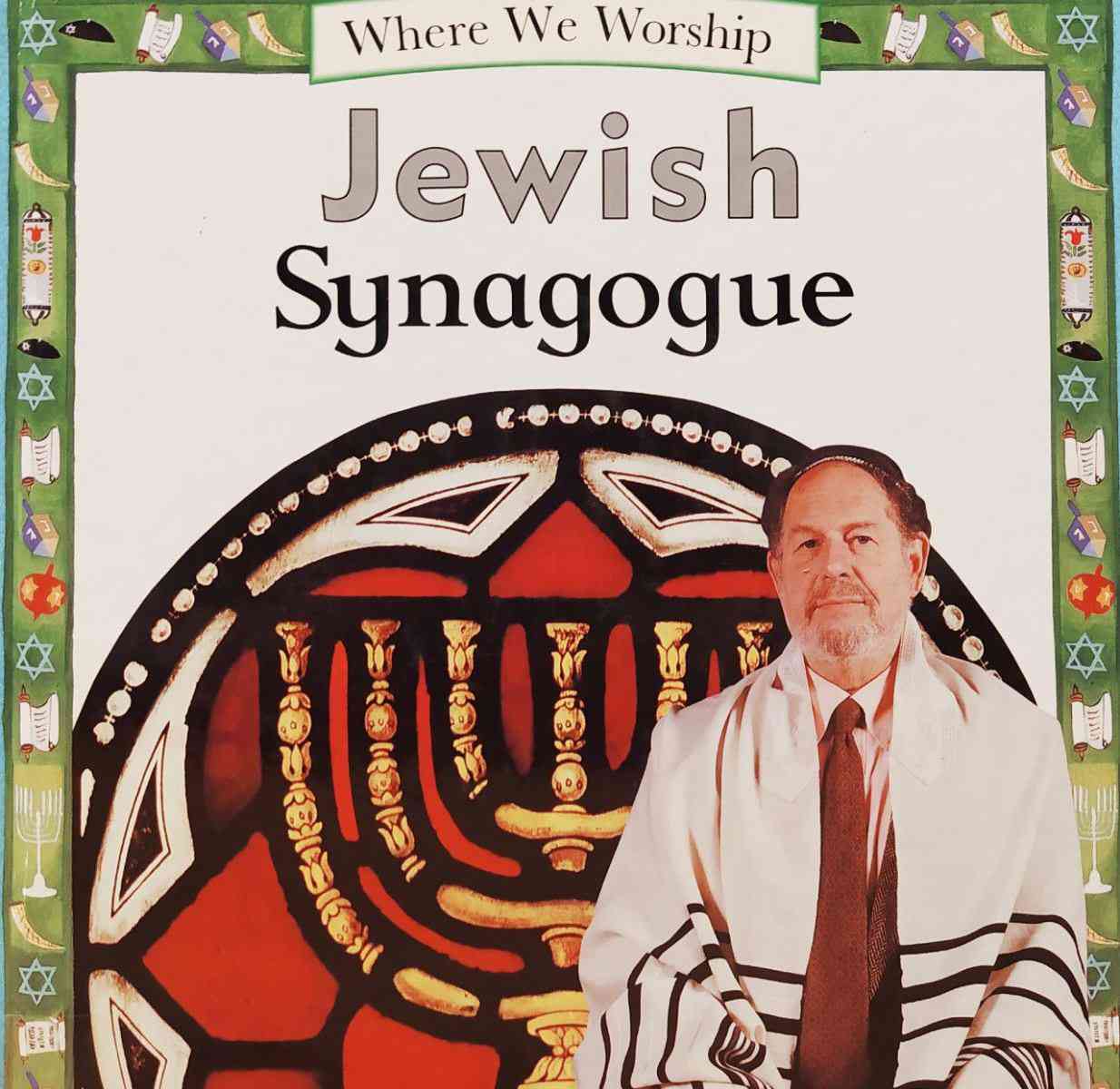
Jewish Synagogue ( Where We Worship )
Publisher: Franklin WattsAuthor: Angela WoodNot AvailableDescription
Translate description to VietnameseCertainly in every country in this world, as long as people, everyone has their own faith, religion, or a certain god (except for a few infidels), to rely on worship. And it is seen as a spiritual strength that adds spiritual strength to human life, however the question is how to worship right, and where to worship,...etc. Therefore, Agela Wood answered our question through each part of the Where We Worship series, which includes six parts about the places of worship of religions such as Hinduism, Buddhism, Christianity, Sikhism, Islam. And we'll see the synagogue in this Jewish Synagouge. This book shows Jews visiting a synagogue to worship God. Through words that are easy to understand, and beautifully illustrated, it's like witnessing what happens inside a synagogue as they present the Jewish faith. Will help us answer the synagogue's questions for what? What are the Ten Commandments,...etc
Chắc hẵng ở mỗi quốc gia trên thế giới này, miễn là con người thì ai cũng đều có riêng cho mình một đức tin, tôn giáo, hay một vị thần linh nào đó (trừ một số ít người theo chủ nghĩa vô đạo), để thờ phụng dựa dẫm vào. Và nó được xem như một sức mạnh thiêng liêng góp thêm sức mạnh tinh thần cho đời sống của con người, tuy nhiên câu hỏi đặt ra là thờ phụng như thế nào là đúng, và thờ ở đâu,…vv. Chính vì vậy, Agela Wood đã giải đáp thắc mắc đó của ta thông qua mỗi phần của series Where We Worship, nó bao gồm sáu phần nói về nơi thời phụng của các đạo như đạo Hindu, đạo Phật, đạo Chúa, đạo Sikh, đạo Hồi. Và chúng ta sẽ được thấy giáo đường Do Thái trong phần Jewish Synagouge này. Cuốn sách này cho ta được thấy người Do Thái đến thăm một giáo đường Do Thái để thờ phượng Thiên Chúa. Thông qua những ngôn từ dễ hiểu rõ ràng, và hình ảnh minh họa đẹp mắt ta sẽ như được chứng kiến những gì xảy ra bên trong một giáo đường Do Thái xem cách mà họ giới thiệu đức tin Do Thái. Sẽ giúp ta giải đáp được thắc mắc nhà hội để làm gì? Mười điều răn là gì,...vv
-
200
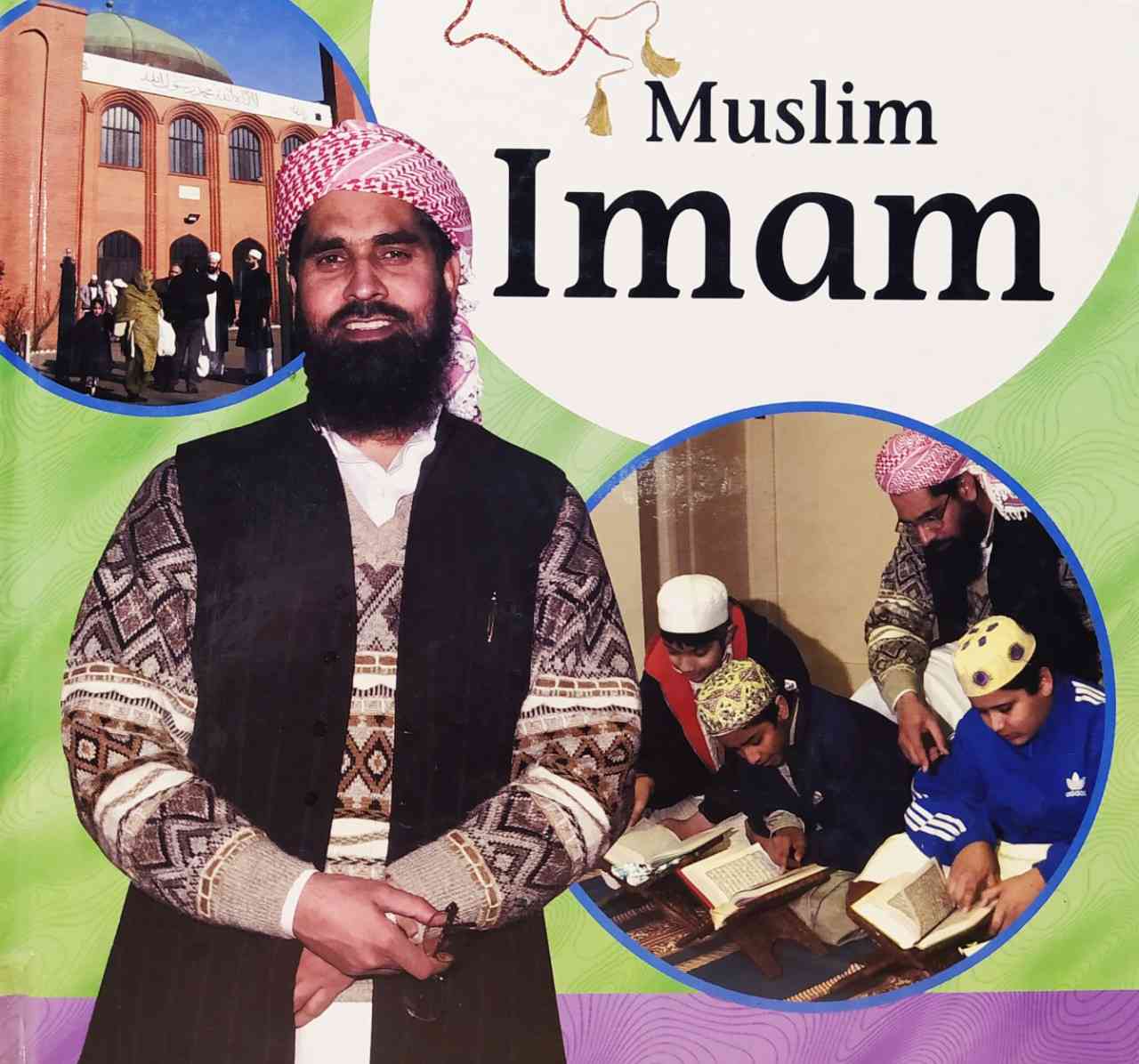
Muslim Imam ( My Life, My Religion )
Publisher: Franklin WattsAuthor: Akba Dad KhanNot AvailableDescription
Translate description to VietnameseIn addition to things that can be bought with money, there are some things that cannot be exchanged for money such as suffering, happiness or guilt,...etc. Therefore, people believe in gods to send their faith, aspirations or desires, but people cannot see them. So they can only go to the leader of this divine belief to listen to them, for example, Christians will go to the church to find the priest, Buddhism will go to the temple to find the abbot or the Monks,... And unknowingly, these leading leaders, are sanctified by their divine powers many times over, making people mistakenly think they have some power unlike ordinary people. Therefore, in response to these false doubts, Akbar Dad Khan wanted through the account of Masood Akhtan in the work Muslim Imam, as an imam of a mosque in Luton, describing one's work and daily life. Religious community leaders like them also showed that in addition to leading people to pray, they still have a lot of work to do, and one important thing is that they do not have the power of divinity as many think. They are just an ordinary person, live a normal life like everyone else, they still have to pray for themselves!
Ngoài những thứ có thể mua bằng tiền ra thì có một số thứ có dùng tiền cũng không đổi được như đau khổ, hạnh phúc hay cảm giác tội lỗi,…vv. Chính vì vậy, mà con người tin vào thần linh để gửi gắm đức tin, nguyện vọng hay mong muốn của mình, tuy nhiên con người không thể nào thấy được thần linh. Cho nên họ chỉ có thể đến tìm người dẫn dắt lãnh đạo cho cho niềm tin thiêng liêng này để lắng nghe họ,ví dụ như người đạo chúa sẽ đến nhà thờ tìm cha sứ, đạo phật sẽ đến chùa tìm trụ trì hay các nhà sư,… Và vô tình những vị lãnh đạo dẫn dắt này, lại được con người thần thánh hóa năng nực của họ lên gấp nhiều lần, làm người ta lầm tưởng họ có sức mạnh nào đó không giống người thường. Do đó, để giải đáp cho những ngờ vực lầm tưởng này, mà Akbar Dad Khan muốn thông qua lời kể của Masood Akhtan trong tác phẩm Muslim Imam, là một imam của một nhà thờ Hồi Giáo ở Luton, mô tả về công việc và cuộc sống hằng ngày của một nhà lãnh đạo cộng đồng tôn giáo như họ. Cuốn sách này cũng cho thấy rằng ngoài dẫn dắt mọi người cầu nguyện họ còn có rất nhiều việc phải làm, và một điều quan trọng là họ không có năng lực gì thần thánh hóa như bao người vẫn nghĩ, họ cũng chỉ là một người bình thường, sống một cuộc sống bình thường như bao người khác, họ vẫn phải cầu nguyện cho chính bản thân mà thôi!
-
100
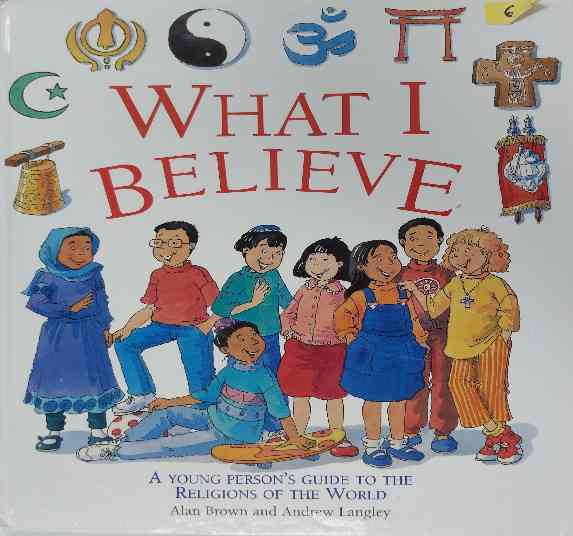
What I Believe
Publisher: The Book People LtdAuthor: Alan Brown and Andrew LangleyNot AvailableDescription
Translate description to VietnameseWriting a survey of world religions is very difficult, especially when it's meant for a middle-grade age group. The variations and intricacies of each faith make generalities inevitable. Yet, despite all the obstacles, Brown and Langley offer a knowledgeable, friendly effort that will give kids an overview of eight world religions: Judaism, Christianity, Islam, Hinduism, Buddhism, Taoism, Shintoism, and Sikhism. The hook here is that the information is being offered by boys and girls who represent the various religions. Each child explains the religion to the others, and, of course, to the reader, covering history, beliefs and practices, places of worship, holy days, and celebrations. Much of the discussion is based in orthodoxy--for instance, the Jewish narrator discusses what it means to keep kosher--but some variations are also noted, for example, the fact that in some branches of Judaism, women can be rabbis. The art is cartoon style, but in the best sense of the word, well executed and bright. Drawings are mixed and matched with color photos. A few other faiths, such as Jainism, are mentioned in a final two-page spread, and a glossary completes the package. Ilene Cooper
-

Contact Us
Address
21 N2 Street, Jamona Golden Silk, HCMC, Vietnam
hannahtran084@gmail.com
Phone
0918774151
Morning: 08:00 - 11:30 Mon to Fri
Afternoon: 13:30 - 16:30 Mon to Sat
Address
© 2021 Hannah Library. All Rights Reserved.